Fiteat
A comprehensive diet catering platform built on a custom WordPress & WooCommerce architecture. As the Founding Developer, I engineered the initial architecture of this project, transforming vibrant PSD designs into a pixel-perfect theme. I deeply customized WooCommerce to handle complex, configurable diet plans, creating a scalable e-commerce foundation that powers the brand's growth.
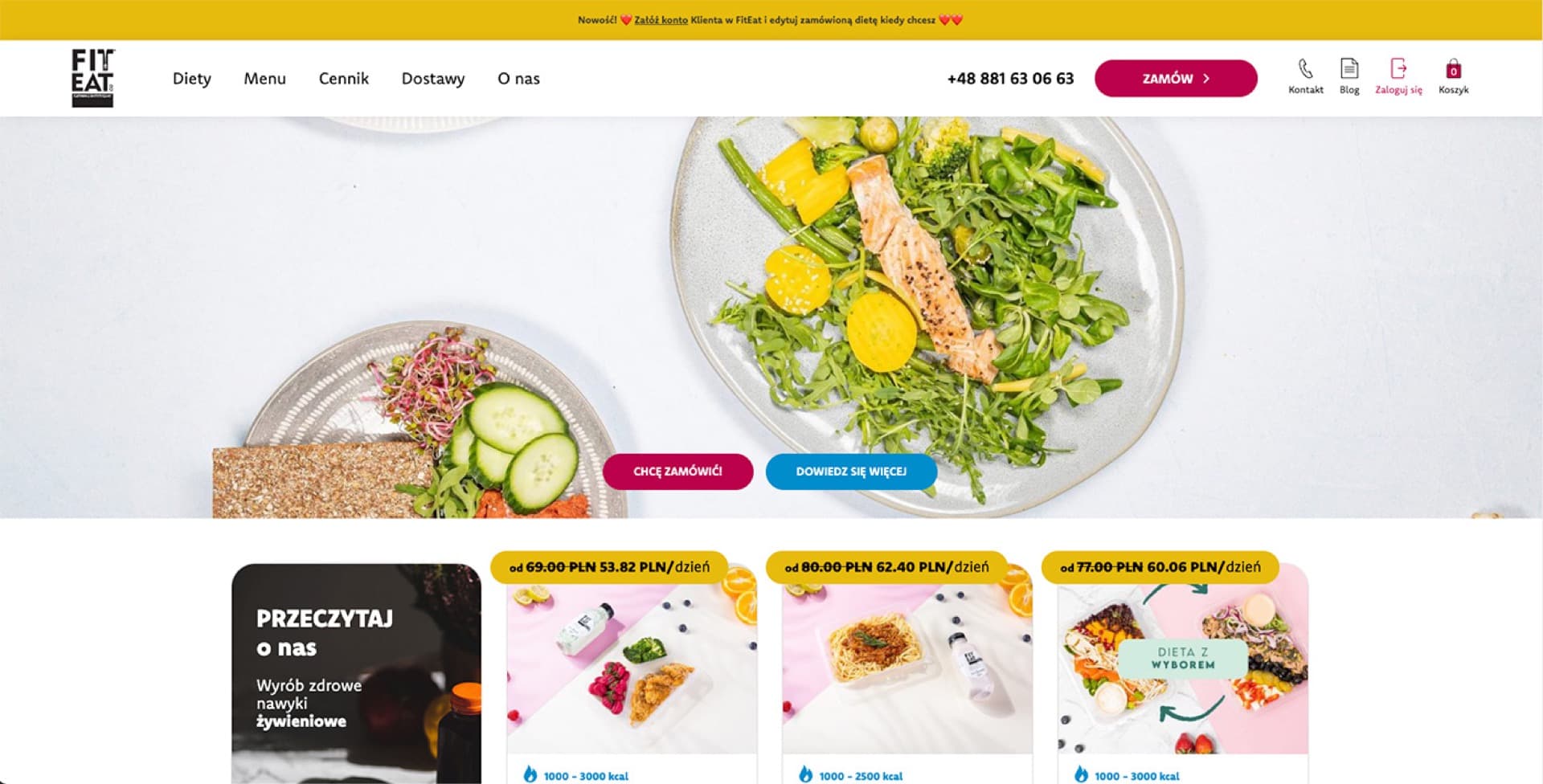
Custom dietary catering platform
A web platform for a premium diet catering service. This was a major project where I served as the Full-Stack Engineer, responsible for transforming the graphic concepts into a fully functional web application with a complex ordering logic.
🎯 Project Goals
The client needed more than just a brochure site; they required a robust sales tool that reflected the energy and vitality of their brand. The goal was to build a custom system allowing users to order personalized diet plans while maintaining a colorful aesthetic that drives user engagement.
🛠️ Tech Stack
- Frontend: HTML5, JavaScript & jQuery, SCSS (BEM methodology), Bootstrap
- Backend: Custom WordPress Theme, PHP, Advanced Custom Fields (ACF Pro), WooCommerce, Custom Post Types
- Integrations: Contact Form 7 with custom styling
🌟 Key Features & Implementation Details
1. Advanced WooCommerce customization (diet configurator)
The core of the business required more than a standard online shop. I deeply customized the WooCommerce platform to handle the complex logic of dietary catering.
- Complex product logic: I engineered a solution where standard WooCommerce products were transformed into configurable diet plans. Users can select caloric value, specific exclusions and delivery duration
- Streamlined checkout: I modified the checkout flow to capture specific delivery schedules and dietary preferences, ensuring the kitchen received structured, error-free orders
2. Custom WordPress theme
I was responsible for translating high-energy, colorful PSD designs into a fully functional custom theme.
- Visual fidelity: I implemented complex layouts, overlapping elements and bold typography with precision, capturing the brand's vitality exactly as envisioned by the graphic designer
- Performance optimization: Despite the heavy use of high-quality food photography and rich graphical elements, I optimized the CSS/JS delivery to ensure the site remained fast and responsive, especially on mobile devices
3. Scalable architecture & ACF content management
Since I built the platform from the ground up, my focus was on creating a robust foundation for future growth.
- Modular backend: I utilized ACF Pro to create a flexible content management system. This allowed the non-technical team to easily manage the content without breaking the layout
- Legacy of quality: The solid codebase and architectural decisions I made during the initial build provided a stable framework that allowed the project to be successfully maintained and expanded by other developers in later years
💡 Challenges & Solutions
- Adapting WooCommerce for catering logic: Standard WooCommerce is designed for simple physical products, not complex daily service subscriptions
- The Challenge: I needed to handle variable data like caloric intake, specific meal exclusions and delivery calendars within the standard cart flow
- The Solution: I engineered a custom layer on top of WooCommerce product attributes. By utilizing custom hooks and filters, I modified the checkout process to capture and validate this complex data, ensuring the kitchen received precise orders without breaking the native e-commerce functionality
- High-Fidelity PSD implementation: The design provided was visually rich, featuring overlapping elements, bold colors and non-standard grid layouts to reflect the brand's "energy"
- The Solution: I avoided heavy page builders that would slow down the site. Instead, I wrote clean, semantic HTML5 and SCSS using modern CSS techniques to recreate the vibrant design pixel-perfectly while maintaining high performance and full mobile responsiveness
- Architecture for growth: As the sole developer building the platform from scratch, I had to ensure the code was scalable
- The Solution: I structured the codebase with strict adherence to WordPress coding standards. This "clean code" approach created a solid foundation, allowing the project to be easily handed over and expanded by subsequent developers in the company